Understanding the Modern Warehouse Waste Problem
Warehouses are the lifeblood of supply chains, serving as the crucial link between production and distribution. Yet, many still operate with outdated waste management systems that drain resources and inflate costs. Modern warehouses, however, are moving in a new direction—embracing sustainable waste control as both an environmental responsibility and a business strategy. Cleaner operations are no longer a luxury. They’re a necessity for long-term efficiency and profitability.
Understanding the Modern Warehouse Waste Problem
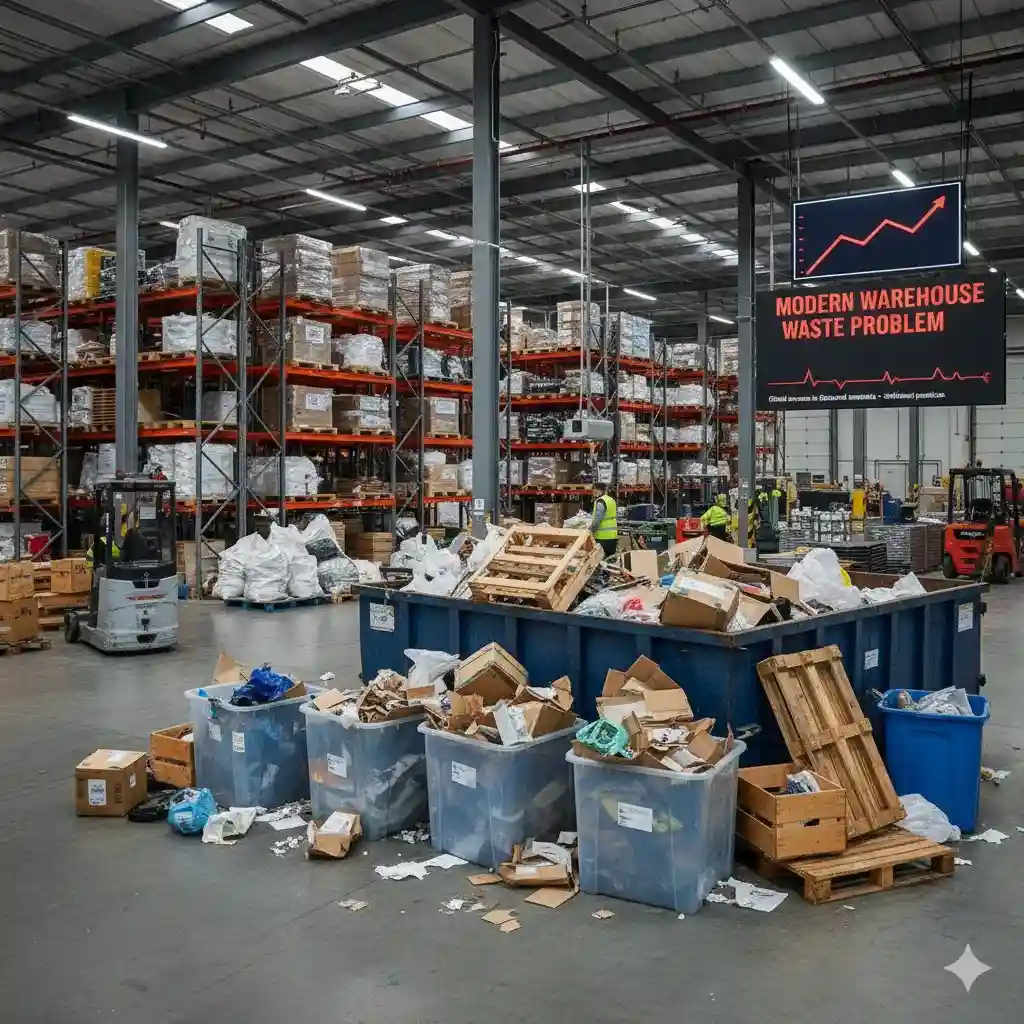
Warehouses generate a wide variety of waste: packaging materials, wooden pallets, plastics, paper, and even food waste from staff areas. The scale is often underestimated. In busy distribution centers, thousands of boxes and pallets are handled daily, and the waste accumulates quickly.
The challenge lies not just in the quantity but in the complexity. Many warehouses mix recyclable materials with general waste, leading to contamination that prevents recycling. Others lack efficient systems for sorting or compacting materials before disposal. Over time, these inefficiencies lead to higher hauling costs, lost recycling revenue, and a bigger environmental footprint.
The modern warehouse can’t afford to ignore these issues. Sustainable waste management has become a key indicator of operational maturity—showing clients, partners, and regulators that efficiency extends beyond logistics.
Why Sustainability and Efficiency Go Hand in Hand
Adopting greener waste practices doesn’t just protect the planet—it makes business sense. Warehouses that streamline waste handling typically see reductions in disposal costs, improved worker productivity, and better use of storage space.
For instance, segregating materials at the source can reduce the frequency of waste pickups and open opportunities for recycling rebates. Compacting cardboard and plastic waste lowers hauling volume, saving both space and money. Some facilities even monetize waste streams by selling recyclable materials to local processors.
In essence, sustainability in warehousing is about optimization—using fewer resources to achieve more. And when companies adopt sustainable strategies, they also strengthen their reputation with eco-conscious partners and customers.
Practical Strategies for Smarter Waste Control
1. Conduct a Waste Audit
Every successful waste management plan begins with understanding what’s being thrown away. A waste audit helps identify the types and volumes of materials produced. This process reveals inefficiencies, such as overuse of packaging or failure to recycle high-value materials. Once the data is clear, warehouses can tailor solutions to reduce waste at its source.
2. Designate Proper Sorting Zones
A well-organized sorting system prevents recyclable materials from being mixed with general waste. Designate color-coded bins and ensure staff understand what belongs in each. Proper signage and regular training reinforce good habits and reduce contamination rates.
3. Compact and Contain Waste Efficiently
Using the right equipment for containment and transport is essential. For instance, self dumping hoppers can significantly improve how materials are collected and transferred for recycling or disposal. They reduce manual handling, minimize spillage, and enhance safety for workers.
4. Reuse and Recycle Where Possible
Look for opportunities to reuse packaging materials such as boxes, foam inserts, and pallets. When reuse isn’t possible, recycling should be the next step. Partner with certified recycling companies that can manage materials responsibly. As noted by the Environmental Protection Agency (EPA), industrial recycling efforts contribute significantly to reducing landfill dependency and conserving energy resources.
5. Train and Motivate Staff
Employees are central to effective waste control. Regular training on recycling practices, equipment use, and safety procedures helps maintain consistency. Beyond training, motivation plays a role too—recognizing teams for waste reduction milestones fosters a sense of ownership and pride in maintaining a clean, efficient workspace.
Integrating Technology into Waste Management
Technology is transforming how warehouses handle waste. Smart sensors can monitor bin fill levels and send alerts when pickups are needed, optimizing collection schedules. Digital tracking systems help managers measure waste reduction progress and identify patterns in disposal behavior.
Some advanced facilities are even integrating AI-powered analytics to forecast waste generation based on inventory flow. These insights help adjust operations before inefficiencies arise. The goal isn’t just to manage waste—it’s to predict and prevent it.
By pairing data with day-to-day logistics, warehouses can align sustainability goals with operational KPIs. This approach ensures waste control isn’t treated as an afterthought but as an integral part of performance management.
Balancing Sustainability with Profitability
There’s a lingering misconception that eco-friendly operations are costly. In reality, many green initiatives pay for themselves through cost savings and process improvements. For example, reducing the number of waste pickups cuts down on fuel use and hauling fees. Reusing materials reduces the need for constant resupply. Energy-efficient waste compactors lower electricity costs.
Sustainability also reduces regulatory risks. With tightening environmental standards, warehouses that act early gain an advantage in compliance. Many clients also prefer working with companies that can demonstrate eco-conscious operations—making green practices a market differentiator as much as a moral choice.
The bottom line: sustainable waste management is an investment in long-term profitability, not an expense.
The Cultural Shift Toward Cleaner Warehousing
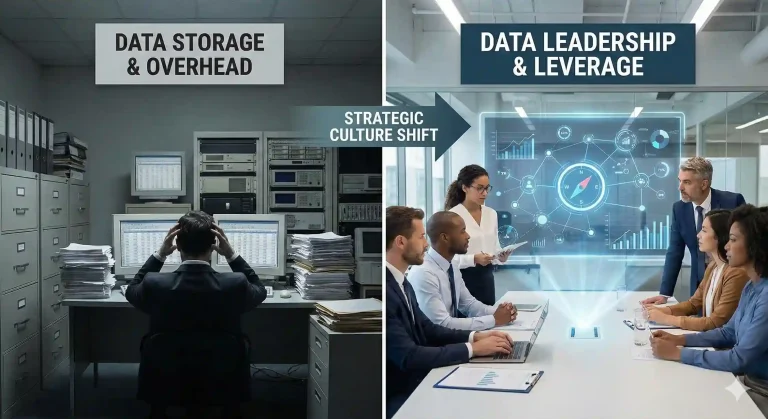
Adopting modern waste control isn’t just a procedural change—it’s a cultural one. It requires everyone, from floor staff to management, to view waste differently. Instead of being seen as a byproduct, waste becomes a metric of efficiency.
Leaders play a crucial role in shaping this mindset. Setting clear sustainability goals, tracking progress, and celebrating success reinforce a culture of accountability. When teams see the tangible impact of their efforts—lower waste volumes, cleaner workspaces, cost savings—they’re more likely to stay engaged.
Moreover, warehouses that make sustainability part of their culture attract talent and partners who value responsible practices. In today’s business landscape, that alignment matters more than ever.
Looking Ahead
The future of warehousing lies in smart, sustainable systems that combine technology, efficiency, and environmental stewardship. Cleaner operations lead to leaner processes—and leaner processes lead to stronger profitability.
By integrating modern waste strategies, investing in the right tools, and fostering a culture of accountability, warehouses can move beyond compliance and into true operational excellence. Sustainable waste control isn’t just about disposal—it’s about designing systems that respect both the environment and the bottom line.