
Why Silence and Solitude Are Becoming Rare but Powerful
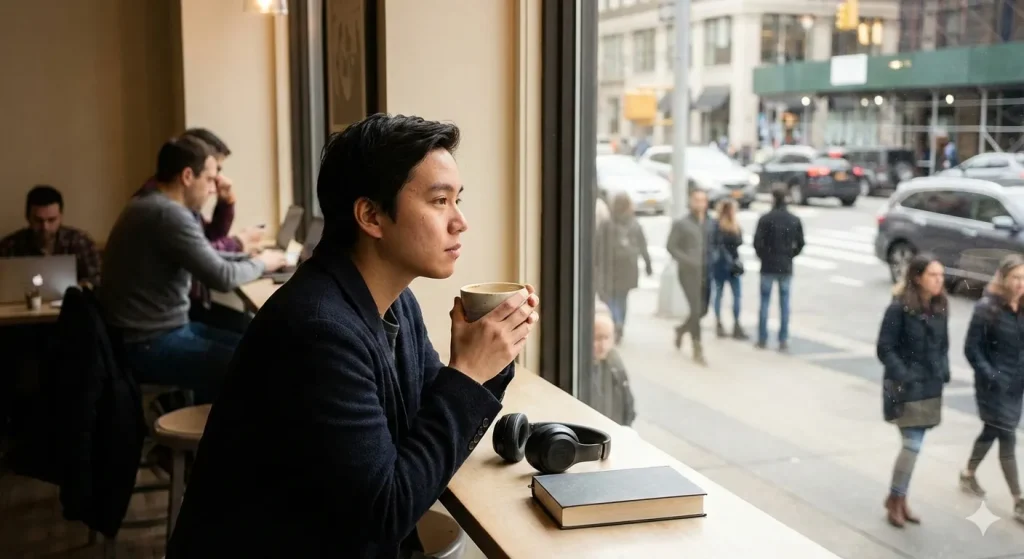
Silence used to be ordinary. It filled early mornings, long walks, waiting rooms, and quiet evenings without feeling strange. Today, silence feels unusual, sometimes even uncomfortable. Phones buzz, screens glow, podcasts play in the background, and notifications follow us everywhere. Noise is no longer just sound; it is information, expectation, and constant stimulation layered into daily life. Even something as simple as sitting on well-designed restaurant chairs, solid, comfortable, and supportive, can become one of the few moments where people finally slow down and notice the quiet between conversations.
What makes this shift interesting is not just how rare silence has become, but how valuable it now feels when we finally experience it. In a world designed to keep attention occupied, moments of solitude are quietly turning into one of the most powerful tools for mental clarity, emotional balance, and deeper thinking.
The World Is Louder Than It Used to Be
Modern life runs on continuous input. Music while driving, videos while eating, messages while resting. Even spaces once meant for pause, like waiting in line or sitting alone, are now filled with scrolling. This constant background noise trains the brain to expect stimulation at all times.
From a behavioral perspective, silence removes distraction but also removes escape. When the noise stops, thoughts surface. For many people, that feels unsettling at first. It explains why silence is often avoided rather than embraced. Yet this discomfort is precisely what gives silence its power.
Research into attention and cognition shows that uninterrupted quiet allows the brain to shift from reactive mode into reflective mode. Instead of responding to alerts and external prompts, the mind starts organizing memories, processing emotions, and forming longer chains of thought. These are the mental processes that rarely happen when noise is constant.
Solitude Versus Isolation
It is important to separate solitude from isolation. Isolation feels imposed and draining. Solitude is chosen and restorative. The difference lies in control and intention.
Solitude creates space without pressure. It allows someone to think without performance, speak internally without interruption, and exist without being observed. In contrast, isolation often carries stress, loneliness, or lack of support.
As digital communication increases, people interact more but spend less time truly alone. That paradox makes intentional solitude even more valuable. Choosing quiet time becomes a way to reclaim mental autonomy.
Why Silence Feels Uncomfortable Now
Silence is not just rare anymore; it is unfamiliar. When the noise stops, many people notice discomfort before calm. That reaction is not accidental. It reflects how modern habits, social expectations, and constant connectivity have reshaped the brain’s response to quiet.
- Silence exposes internal noise. When external input fades, unresolved thoughts, worries, and unanswered questions surface. Studies in cognitive psychology show that the brain spends up to 47 percent of waking hours engaged in mind wandering, which becomes more noticeable the moment distractions disappear.
- For people accustomed to constant stimulation, this sudden awareness can feel overwhelming. Research on digital behavior indicates that the average adult checks their phone between 90 and 150 times per day, reducing opportunities for uninterrupted thought and making silence feel unfamiliar rather than restful.
- There is a strong social component. Being busy and constantly connected is often associated with productivity and success. Surveys on workplace culture show that over 60 percent of professionals feel pressure to appear available even outside working hours, reinforcing the idea that silence equals disengagement.
- As a result, silence is sometimes misread as inactivity or withdrawal. This creates subtle pressure to stay visible, responsive, and “on,” even during moments meant for rest or reflection.
- From an analytical perspective, discomfort with silence is not a flaw; it is a learned response. Just as constant noise became normalized through repetition, silence can become comfortable again through regular exposure.
- Neuroscience research supports this shift. Short periods of quiet, even 10 to 15 minutes a day, have been shown to reduce stress markers and improve focus, suggesting that tolerance for silence can be rebuilt intentionally.
The Cognitive Benefits of Quiet Time
Silence supports deeper thinking. Without interruption, the brain can form connections that are impossible with fragmented attention. This is why many people report more transparent decision-making, better problem-solving, and stronger creativity after time alone.
Memory consolidation also improves during quiet periods. The brain uses silence to organize information, reinforce learning, and integrate experiences. This is one reason why insights often appear during walks, showers, or moments of stillness rather than during active work.
Emotionally, silence allows feelings to surface and resolve rather than remain suppressed. This does not always feel pleasant in the moment, but over time, it leads to better emotional regulation and self-awareness.
Why Silence Is Becoming a Luxury
As noise increases, silence becomes harder to access. Urban environments, open offices, and digital devices all compete for attention. As a result, quiet spaces are increasingly treated as premium experiences rather than everyday conditions.
This shift mirrors other lifestyle trends. Just as slow food emerged in response to fast food, intentional silence is emerging in response to constant connectivity. Retreats, quiet hours, and device-free spaces exist because silence is no longer automatic.
From a practical standpoint, this makes silence more intentional and therefore more impactful. When something is scarce, people value it more and use it more carefully.
Reclaiming Silence in a Noisy World
Silence does not require drastic changes. It begins with small, deliberate choices. Turning off background media, walking without headphones, or sitting quietly for a few minutes each day can rebuild tolerance for stillness.
What matters is consistency. Short, regular periods of quiet are more effective than occasional long breaks. Over time, the mind adapts, and silence shifts from uncomfortable to grounding.For professionals, creators, and thinkers, solitude becomes a competitive advantage. It creates space for insight, perspective, and intentional decision-making in a culture that rewards speed over depth.
Silence is no longer passive. In today’s environment, there is active resistance against overload. It restores attention, strengthens emotional clarity, and reconnects people with their own thoughts. As noise continues to increase, the ability to sit in silence becomes a skill. Those who cultivate it gain something increasingly rare, the capacity to think clearly without constant interruption.
In that sense, silence is not empty at all. It is full of possibilities, waiting for room to be heard.