
How Injury Claims Are Evaluated When Multiple Parties Share Fault
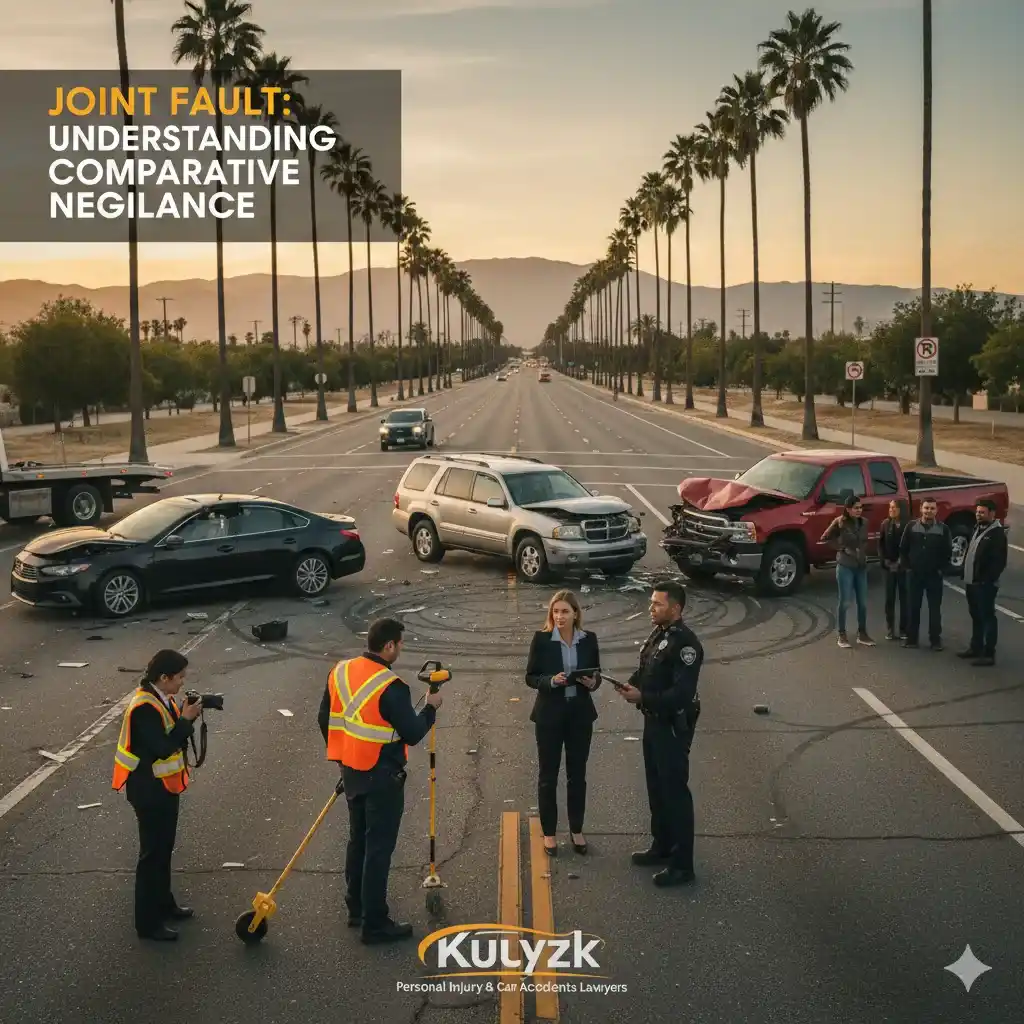
In Bakersfield, California, car accidents involving multiple parties can complicate the process of determining fault. When several individuals share responsibility, the complexity of evaluating the injury claims increases. Determining the degree of fault each party holds requires a thorough investigation into the circumstances surrounding the accident. Kuzyk Personal Injury & Car Accidents Lawyers specialize in handling such complex cases, ensuring that the entire scope of liability is properly assessed.
They work closely with accident reconstruction experts, witnesses, and medical professionals to build a strong case. By taking into account all factors that contribute to the incident, they ensure victims receive the fair compensation they deserve, even when fault is shared among several parties.
Joint Fault: The Doctrine of Comparative Fault
In injury cases, multiple parties are often at fault. And in many cases, there is more than one person or group involved. Comparative fault does this by sharing the blame in these situations. The process is an in-depth observation of each function in the field. One is considered responsible if they acted or failed to act during the course of the event.
How Fault Is Determined
Determining who is at fault involves evidence collection. The determination of fault is based on the examination of photos, witness testimonial statements, and prospective reports. Insurance professionals and legal teams will analyze this information. Occasionally, they also invite experts to offer their insights. Each party involved then gets a percentage of the blame assigned to them.
Types of Comparative Fault Systems
There are two primary systems for apportioning responsibility. There is a “pure” form, and there is a “modified” form used in some areas. Under the pure rule, anybody can seek damages. irrespective of whether they are predominantly responsible or not. The compensation is discounted by their portion of the fault. The new system is where someone can only be compensated if their fault does not exceed a threshold point, usually fifty or fifty-one percent.
Determining Damages When Both Parties Share Fault
In a case where more than one person is to blame, each is compensated according to their designated percentage. So, for instance, if a person is determined to be forty percent at fault, any kind of settlement is decreased by that same amount. The individual bears 40 percent of their own losses. The idea here is for it to be fair to all parties concerned.
Joint and Several Liability Explained
At times, more than one person is responsible for the whole loss. This is known as joint and several liability within the system. This means that someone who is injured can pursue complete recovery against any party that bears responsibility. The responsible party can then seek compensation from other involved parties to recover their costs. This arrangement will ensure victims do not incur unpaid damages.
Role of Insurance Providers
Insurance companies are a huge component of these kinds of cases. They handle claims, determine what percentages to blame, and negotiate settlements. Their objective is to resolve conflicts expeditiously and justly. When insurers work together, the resolution process is usually expedited.
Legal Representation and Advice
Legal help is available for people facing shared fault cases. Lawyers analyze information, discuss rights, and deal with insurance firms. They make sure every detail gets attention. Often, with good advice, everything will turn out well, or nearly all will be solved.
Contributory Fault and Its Impact
There are a couple of places that still adhere to a rigid doctrine known as contributory fault. Because of this law, if a person can be considered to hold any responsibility, they can receive zero damages. If one thing goes wrong, you have no way of coming back from it. Comparative fault is now the norm in most places because it is considered fairer.
Evidence Collection Is Crucial
Strong evidence strengthens a claim. Writing About Injuries, Property Damage, and the Scene Itself. Collecting records and statements as soon as possible will clarify exactly what occurred. Without this information, it is not possible to assign fair percentages of responsibility.
Settlement Negotiations
The majority of comparative fault injury claims settle without a lawsuit. Many times, the outcome of negotiations between the parties and the insurers is a settlement. If you can prove fault clearly and convince an insurance provider that they had a hand, your odds of a fair settlement increase dramatically. Settling prevents the trials, which can cause lots of stress to all parties involved.
Conclusion
There are clear rules about injury claims against multiple at-fault parties. This ensures all parties are treated fairly by splitting blame and compensation. More clarity on shared accountability enables wise decision-making by those involved. Careful evidence gathering and seeking out professional advice and open communication lead to better outcomes. These principles give us all more confidence and clarity when dealing with cases of shared fault.